Attract Pollinators to Your Garden Naturally: Pollinator-Friendly Garden Tips
- omarlawn2020
- Jan 6
- 3 min read
Creating a vibrant, thriving garden is about more than just beautiful flowers and lush greenery. It’s about building a healthy ecosystem where pollinators like bees, butterflies, and hummingbirds can flourish. These tiny helpers play a crucial role in pollinating plants, which supports biodiversity and boosts your garden’s productivity. I’m excited to share some practical, eco-friendly ways to attract pollinators to your garden naturally. You’ll save money, help the planet, and enjoy a lively outdoor space buzzing with life.
Why Pollinators Matter in Your Garden
Pollinators are essential for the reproduction of many plants. Without them, fruits, vegetables, and flowers wouldn’t grow as abundantly. In Berwyn and nearby suburbs, supporting pollinators means supporting local food production and natural beauty. Plus, a pollinator-friendly garden is a haven for wildlife and a peaceful retreat for you.
By welcoming pollinators, you’re also encouraging natural pest control. Many pollinators prey on harmful insects, reducing the need for chemical pesticides. This keeps your garden safe for pets and children, aligning perfectly with eco-friendly values.
Pollinator-Friendly Garden Tips for a Buzzing Yard
Here are some easy and effective ways to create a garden that pollinators love:
Choose Native Plants: Native flowers and shrubs are adapted to the local climate and soil. They provide the best nectar and pollen for native pollinators. Examples include purple coneflower, black-eyed Susan, and milkweed.
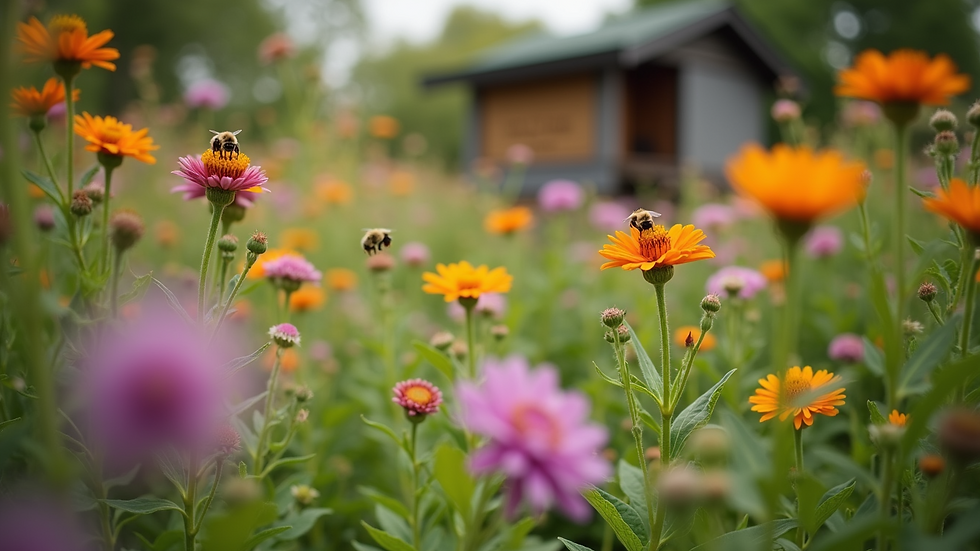
Plant a Variety of Flowers: Different pollinators prefer different flowers. Mix colors, shapes, and bloom times to provide food throughout the growing season.
Create Layers: Include ground covers, shrubs, and tall plants. This diversity offers shelter and nesting spots.
Avoid Pesticides: Chemicals can harm pollinators. Opt for natural pest control methods like companion planting or introducing beneficial insects.
Provide Water Sources: Shallow dishes with water or a small birdbath can help pollinators stay hydrated.
Add Pollinator Homes: Leave some bare soil for ground-nesting bees or install bee hotels for solitary bees.
These tips not only support pollinators but also enhance your garden’s beauty and resilience. You can attract pollinators to garden spaces naturally and sustainably.

What Tricks Do Plants Use to Lure Pollinators?
Plants have evolved clever ways to catch the attention of pollinators. Understanding these tricks can help you choose the right plants for your garden.
Bright Colors: Bees are attracted to blue, purple, and yellow flowers. Butterflies prefer red, orange, and pink.
Scent: Many flowers emit sweet or spicy fragrances to guide pollinators.
Nectar Guides: Some flowers have patterns visible only under ultraviolet light, directing pollinators to nectar.
Shape and Size: Tubular flowers attract hummingbirds, while flat, open flowers are perfect for butterflies and bees.
Timing: Flowers bloom at different times of the day or season to match pollinator activity.
By selecting plants with these features, you create a garden that naturally invites pollinators to visit and stay.
How to Maintain a Pollinator-Friendly Garden Year-Round
Keeping your garden welcoming to pollinators throughout the year requires some planning and care:
Seasonal Planting: Include early bloomers like crocus and late bloomers like goldenrod to provide food from spring to fall.
Leave Some Wild Areas: Allow parts of your garden to grow naturally. This supports nesting and overwintering.
Mulch Wisely: Use organic mulch to retain moisture but avoid covering bare soil where ground-nesting bees live.
Prune Thoughtfully: Cut back dead stems in late winter to protect overwintering insects.
Monitor and Adjust: Watch which plants attract the most pollinators and expand those areas.
These steps help your garden stay lively and productive, supporting pollinators and your local environment.
Supporting Pollinators Benefits Everyone
When you create a pollinator-friendly garden, you’re doing more than beautifying your yard. You’re contributing to a healthier planet and a stronger community. Pollinators improve crop yields, support wildlife, and help maintain natural ecosystems. Plus, a buzzing garden is a joyful place to spend time with family and friends.
By choosing eco-friendly practices, you protect pets and children from harmful chemicals. You also reduce water use and promote soil health. These small actions add up to big changes.
If you want to make your garden a pollinator paradise, start with simple steps today. Plant native flowers, avoid pesticides, and provide water and shelter. You’ll be amazed at how quickly your garden comes alive with buzzing bees and fluttering butterflies.
Let’s work together to build a greener, more vibrant Berwyn community - one yard at a time. Your garden can be a beacon of life and sustainability.
Thank you for joining me on this journey to create pollinator-friendly gardens. Remember, every flower you plant and every pollinator you welcome makes a difference. Happy gardening!


Comments